

If you’re dealing with litter around the house, see our guide on (7 Ways to Stop Cat Litter Tracking Around the House).
Finding cat litter scattered around the house can be frustrating. You clean the area around the litter box, only to find small pieces of litter on the floor again a few hours later.
This is known as cat litter tracking, and it happens because small pieces of litter can stick to your cat’s paws as they leave the litter box. Some cats may also kick litter outside the box while digging or covering their waste.
The good news is that there are several simple ways to reduce litter tracking and make your home easier to keep clean.
Why Does Cat Litter Tracking Happen?
Cats naturally dig and move around inside their litter boxes. When they finish, small pieces of litter can remain between their toes or on their paws.
As your cat walks away from the litter box, those pieces can fall onto the floor. If the litter box is located in a busy part of your home, the litter can eventually spread to other rooms.
The type of litter you use can also make a difference. Lightweight or very fine litter may be more likely to stick to paws and travel beyond the litter box.
1. Use a Cat Litter Mat
One of the easiest ways to reduce cat litter tracking is to place a cat litter mat directly outside the litter box.
A good mat provides a surface for your cat to walk across after leaving the box. Its texture and design can help catch loose litter before it reaches the rest of your floor.
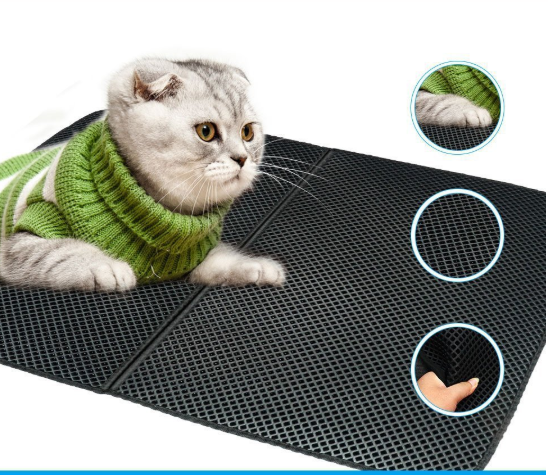
A double-layer or honeycomb-style design can be particularly useful because loose litter can fall through the upper layer and collect underneath.
If you’re looking for a dedicated solution, the Whiskhora CleanMat™ is designed to help catch loose litter and make the area around your litter box easier to maintain.
2. Choose the Right Location for Your Litter Box
Where you place the litter box can affect how far cat litter tracking spreads.
Try to position the box in an area that is easy for your cat to access but doesn’t require them to walk across the entire house immediately after using it.
Placing a mat around the exit area can provide additional protection for nearby floors.
Avoid putting the litter box directly next to food and water bowls. Cats generally prefer to keep their eating and toileting areas separate.
3. Choose a Litter That Works for Your Cat
Different types of cat litter have different textures and sizes.
Some very fine litters can stick more easily to paws, while larger particles may be less likely to travel. However, every cat has individual preferences, so changing litter should be done gradually.
For general guidance on choosing and using cat litter, see the ASPCA’s cat care resources.
If your cat is comfortable with the litter you’re already using, there may be no reason to change it. Instead, focus on managing the litter that naturally leaves the box.
4. Keep the Litter Box Clean
Regular cleaning can help reduce the amount of litter that gets pushed outside the box.
Remove waste regularly and keep the litter at an appropriate level. A clean litter box can also encourage your cat to use the box consistently instead of searching for another place.
Clean the surrounding floor regularly as well. Removing loose litter before it spreads makes the overall cleaning process much easier.
5. Use a Larger Litter Mat
A small mat may not provide enough space for your cat to walk across after leaving the litter box.
If your cat tends to jump out of the box or takes several steps before leaving the area, consider using a larger mat that covers the normal exit path.
Measure the space around your litter box before choosing a mat. The goal is to give your cat enough room to step onto the mat naturally.
6. Clean the Mat Regularly
Even the best cat litter mat needs regular cleaning.
Check the mat frequently and remove collected litter before it builds up. Depending on the material, you may be able to shake it out, vacuum it, or rinse it with water.
Regular maintenance keeps the litter area looking cleaner and helps the mat continue catching loose litter effectively.
7. Keep a Simple Cleaning Routine
You don’t need to spend a lot of time cleaning your floors every day.
A quick routine can make a big difference:
Check the area around the litter box once a day.
Remove visible loose litter.
Empty or clean the litter mat when necessary.
Keep the litter box clean.
Vacuum or sweep the surrounding area regularly.
A few minutes of regular maintenance can prevent litter from spreading throughout your home.
How the Whiskhora CleanMat™ Helps
The Whiskhora CleanMat™ is designed specifically for the area around your cat’s litter box.
Its double-layer honeycomb design helps collect loose litter as your cat walks away from the box. Instead of allowing scattered litter to remain on the floor, the mat provides a dedicated place for it to collect.
The mat also has a comfortable surface for cats and is designed to make everyday cleanup easier for cat owners.
If you’re tired of finding litter throughout your home, adding a dedicated mat to your litter-box setup can be a simple and practical improvement.
Frequently Asked Questions
How do I stop my cat from tracking litter everywhere?
You can’t always eliminate tracking completely, but you can reduce it by using a suitable litter mat, keeping the litter box clean, choosing an appropriate litter, and placing the mat where your cat normally exits the box.
What is the best way to reduce cat litter tracking?
A combination of regular litter-box cleaning and a well-designed cat litter mat can help reduce tracking. A larger mat can provide more space for your cat to walk across after leaving the litter box.
Do cat litter mats really work?
Cat litter mats can help collect loose litter from your cat’s paws before it spreads across the floor. Their effectiveness depends on the mat’s design, size, placement, and how much litter your cat normally tracks.
Where should I put a cat litter mat?
Place the mat directly outside the litter box entrance, covering the area where your cat normally steps when leaving the box. If your cat jumps out from a particular side, position the mat there.
A Cleaner Litter Area Starts With Simple Changes
Cat litter tracking is a normal part of having a cat, but it doesn’t have to take over your home.
Keeping the litter box clean, choosing a suitable litter, placing the box in a practical location, and using a cat litter mat can all help reduce the amount of litter that ends up on your floors.
With a simple routine and the right setup, you can spend less time cleaning scattered litter and more time enjoying your cat.
[…] more practical setup ideas, read our guides on how to stop cat litter tracking and what to look for in a cat litter mat. If you are looking for a litter-trapping option for your […]